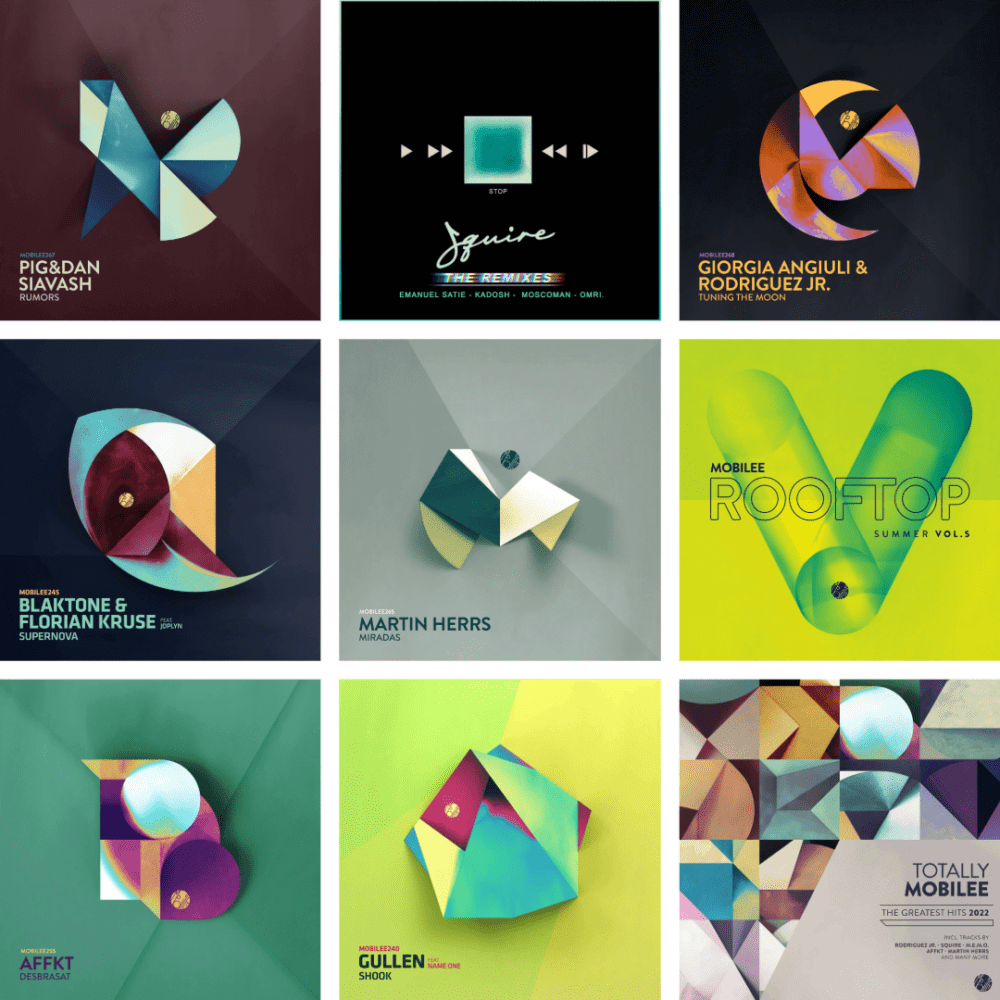
When Mobilee Records was founded in 2005 by Ralf Kollman and Anja Schneider, Berlin was in the midst of a creative expansion that would soon define electronic music for a generation. The city’s club culture was becoming globally influential, minimal house and techno were coalescing into something recognisable yet still porous, and a new wave of artists was searching for platforms willing to commit beyond a single release cycle. mobilee emerged at that precise moment not as a calculated brand exercise, but as a product of proximity, curiosity, and shared instinct.
As Ralf Kollmann recalls, “Mobilee started in 2005, at a moment when Berlin was exploding creatively, and a new generation of house and techno artists needed a home that really believed in them long-term.” What began as a passion project — “a hobby or fun project originally initiated by passionate electronic music lovers and ravers” — quickly developed into one of Europe’s most enduring independent imprints.
From the outset, Mobilee positioned itself at the intersection of structure and spontaneity. Kollmann’s background in advertising and business gave the label an operational clarity that many artist-led imprints lacked, but its musical direction was guided by lived experience rather than market logic. The early releases reflected the city they were born into: stripped-back, groove-focused, and deeply connected to Berlin’s minimal moment. Yet even in those formative years, Mobilee was less interested in codifying a sound than in nurturing a sensibility. The label’s evolution was never abrupt or trend-chasing; instead, it unfolded gradually as its community expanded and its artists matured.
Today, the label’s sound is best understood as a continuum rather than a category. “Mobilee is about timeless, forward-thinking club music: house and techno with soul, strong grooves and enough personality that you recognize it after a few bars,” Kollmann explains. Over time, the label moved away from a strictly minimal framework toward something broader and more expressive.
As its roster became more international, so too did its musical language, incorporating richer harmonic structures, deeper emotional registers, and occasional excursions into slower or more experimental territory. Crucially, this shift was not driven by external pressure. “The evolution never came from chasing hype, but from following our artists and their growth,” Kollmann notes, framing the label’s trajectory as a reflection of human development rather than scene mechanics.
That long-term view is perhaps Mobilee’s defining characteristic. Rather than anchoring its identity to singular breakout records, the label has been shaped by artists who contributed repeatedly, building a shared DNA over years rather than moments. Kollmann points to releases that function as temporal markers: “Their EPs, albums, and remixes defined periods in our history and became a reference for our sound.” These records are remembered not only for their club impact but for the way they signaled shifts in direction, opening new chapters without severing ties to what came before. This cumulative approach has allowed Mobilee to age without calcifying, remaining recognisable while avoiding stagnation.
Community has always been central to that process. mobilee operates less like a traditional label and more like a self-sustaining ecosystem, where artists collaborate, tour together, and reappear across showcases and releases. “Those personal connections are more powerful than any campaign,” Kollmann observes, emphasizing that the label’s cohesion is rooted in relationships rather than branding. Mobilee nights are not presented as isolated events but as extensions of an ongoing narrative, spaces where shared history is visible, and newcomers are invited into an already-living world. This sense of continuity has helped the label maintain relevance even as the industry’s modes of engagement have shifted.
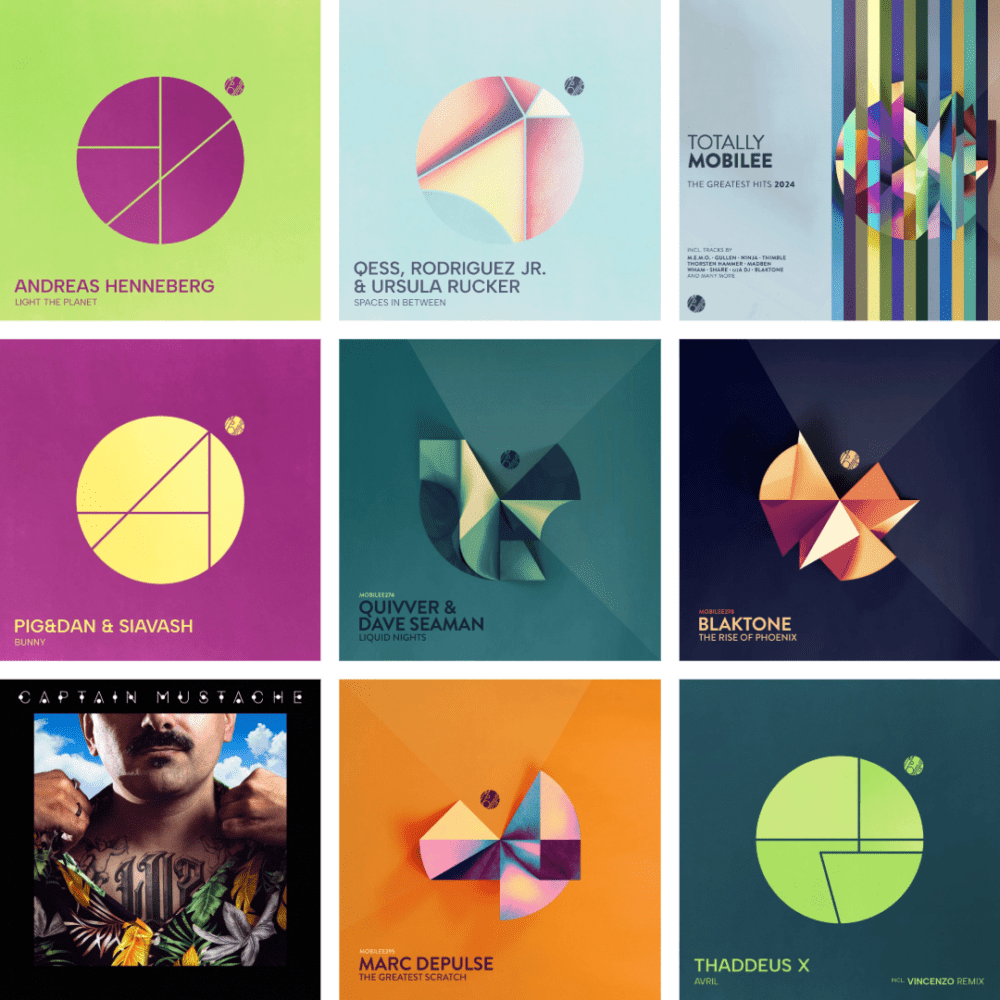
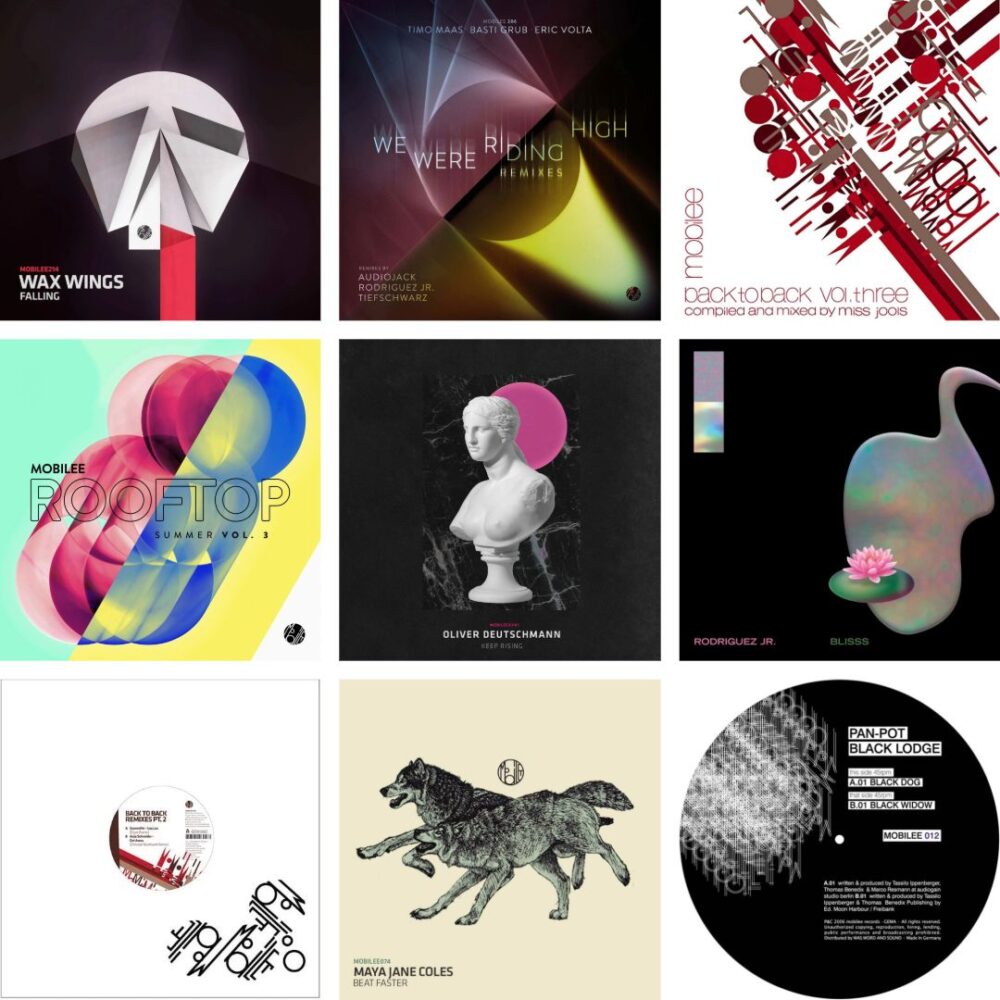
Attention to detail further reinforces that identity. Every Mobilee release is treated as part of a larger story, with equal consideration given to sound, presentation, and context. “We care about how a track sounds in a club, how it fits into the artist’s story, how the artwork looks on a thumbnail or a vinyl sleeve, and how the whole package speaks to our audience,” Kollmann explains. The release process is deliberately measured, prioritising coherence and quality over volume. In an era defined by accelerated output and diminishing attention spans, mobilee’s refusal to flood the market has become a statement in itself.
That commitment extends into the technical realm as well. High production standards, careful mixing and mastering, and an openness to emerging formats underline the label’s belief that club music deserves the same sonic rigor as any other art form. Kollmann points to Mobilee’s interest in immersive audio and lossless streaming as part of a broader investment in longevity rather than immediacy. The goal is not merely to keep pace with technological change, but to ensure that the music retains its impact across formats, environments, and listening habits.
Nearly two decades on, Mobilee occupies a distinctive position within electronic music’s landscape. It is neither a nostalgia project nor a hype engine, but a mature independent label grounded in credibility and trust. “We’re not trying to be the loudest brand in the room, but a consistent, trusted source for quality music and experiences,” Kollmann says. That self-awareness has allowed the imprint to expand its scope without diluting its core values, exploring artist development, education, and cross-disciplinary work while remaining anchored to the club.
As Mobilee looks toward the future, its ambitions remain rooted in curiosity rather than scale. Kollmann’s vision for the next decade is less about dominance than continuity: staying connected to emerging generations, supporting artists holistically, and evolving the label’s ecosystem without losing its sense of purpose. If mobilee’s history demonstrates anything, it is that longevity in electronic music is rarely accidental. It is built through patience, discernment, and a willingness to grow alongside the artists and communities it serves.
In that sense, Mobilee’s story is not just one of survival, but of sustained relevance. By treating electronic music as a living practice rather than a product cycle, the label has managed to remain vital without abandoning its roots. Nearly twenty years after its accidental beginnings, Mobilee stands as a reminder that independence, when paired with care and conviction, can still shape the culture from within.
Follow Mobilee Records: Bandcamp | Instagram | YouTube | Beatport