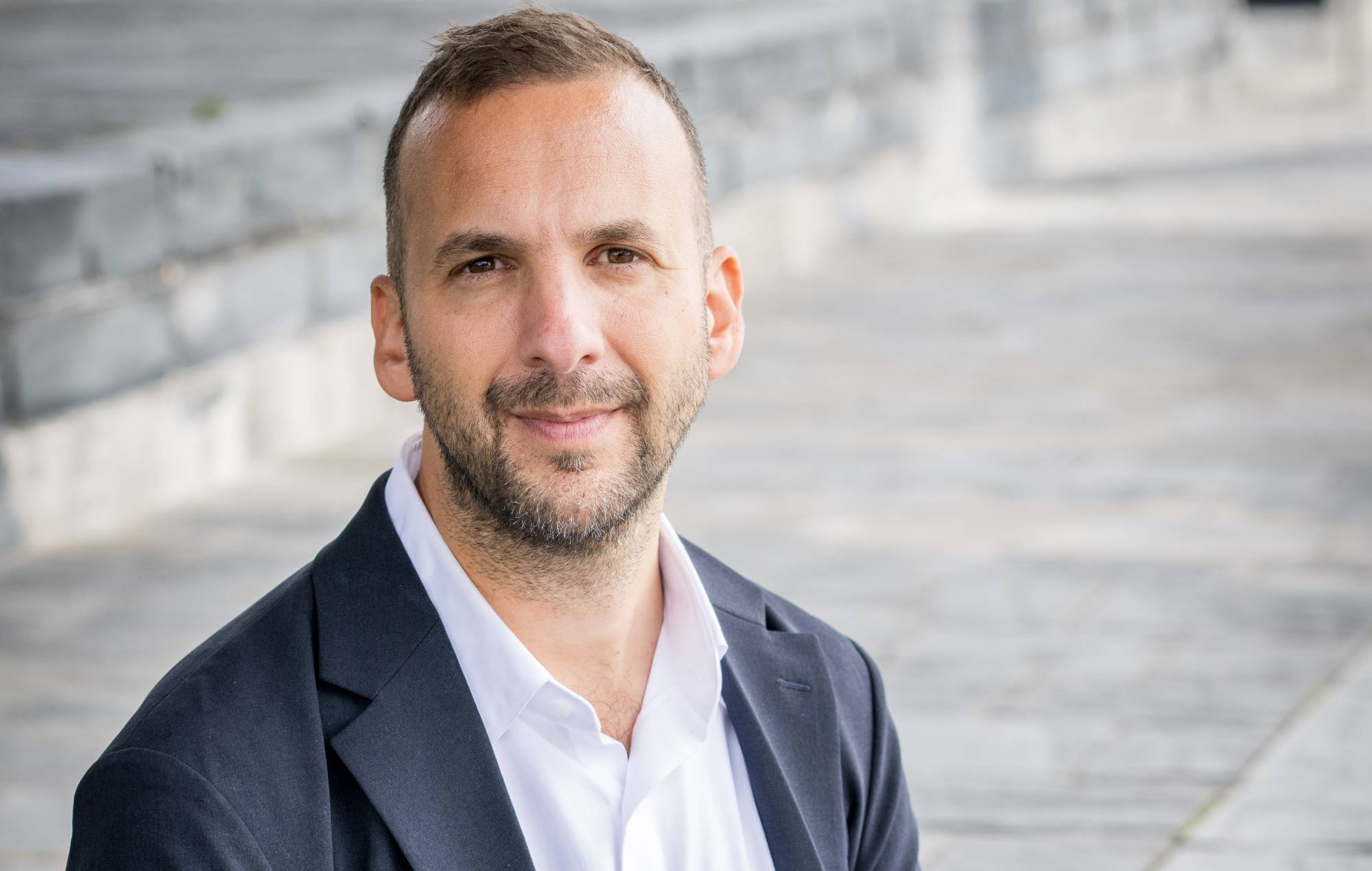
Green Party leader Zack Polanski has spoken to NME about his hopes for 2026, as well as his plans to tackle issues relating to music and culture, young people, and selling his vision to naysayers.
The leader of the progressive left-wing party said that he and his party enjoyed a “phenomenal year” in 2025, with the Greens attracting 120,000 new members and appearing ahead of the governing Labour party in several polls throughout the year.
This week’s polls saw Reforms’s lead down two points to 24 per cent for the second consecutive week, while the Greens are up three points to 17 per cent – just seven points behind Farage’s party. Meanwhile, the Conservatives stand at 18 per cent and Labour are at 19, all ahead of the Liberal Democrats trailing on 14 per cent.
This comes as polling among 18-24 year-olds currently shows the Greens far ahead with 45 per cent, more than double of Labour at 45 per cent, the Lib Dems at 14, and Reform and Conservatives both drawn at nine per cent.
Their appeal among young people is said to be due to the Greens approach to universal income, immigration and racism, taxing the elite, tackling climate issues, and their stance on Palestine. Polanski told NME that a successful year for the Greens came balanced “with the country being in turmoil”.
“There are some really deep-seated problems,” he said. “So it’s a mixed reaction to the despair at the state in which people are living and what governments have allowed to happen, but also hope to see the Green Party to be the real alternative and to see so many people join for the first time.”
Recommended
With an ever more concerning international situation, as well as growing divisions in the UK, Polanski said that he hoped for more dialogue and for bridges to be built, believing that music, art and culture should be better nurtured to allow for a healthier society.
“In 2026, I hope there will be more light, peace and hope – but that can only happen if we look into the darkness, the fear, and the anger,” he told NME. “Art is one of the most powerful ways you can do that, and if you don’t have art occupying that space then it does create this vacuum for demagogues and narcissists to be able to project an image of who we are that isn’t true; but then there’s no counterculture to be able to challenge that idea.”
As a regular at BoomTown (where he used to work), Polanski told us that he has spent a lot of his summers at festivals. His favourite gig of 2025 was Beans On Toast at Glastonbury, while his album of the year was Rizzle Kicks‘ ‘Competition Is For Losers’ – having joined them on stage back in November, where they took aim at Reform leader Nigel Farage.
@boldpolitics The energy at Rizzle Kicks in Bristol last night was incredible 🫶 Zack Polanski joins on stage before encore
“I’ve always loved Rizzle Kicks, but also because they’ve taken a step in a more political and introspective direction,” Polanski told us. “I think that speaks to the journey they’ve been on as young men, and also that a lot of the country have been on in taking this moment to breathe and asking, ‘What does the next year involve?’ Also, Jordan Stephens [rapper] has been doing so much amazing work, particularly around young men and what role they have via his podcast [The Whole Truth].
“Feminism plays an essential role in our country, and absolutely it should and there’s still lots of work to do, but I’m really pleased that there’s a young man saying, ‘We don’t want to forget about young men either, and if we don’t do this then Reform will’. Both musically and politically, they’ve had a stellar year.”
Asked about his song of the year, he chose Lola Young’s runaway hit ‘Messy’. “One thing I loved about it is that it was actually released in 2024, but it had this rise in 2025 due to the raw honesty with which Lola performs,” he said. “RAYE has a similar honesty about her. I absolutely adore RAYE; I went to see her at Glastonbury and the adrenaline just made it feel like a cultural moment. I think Lola will have those moments too, but that song just really spoke to the messiness of the world right now.”
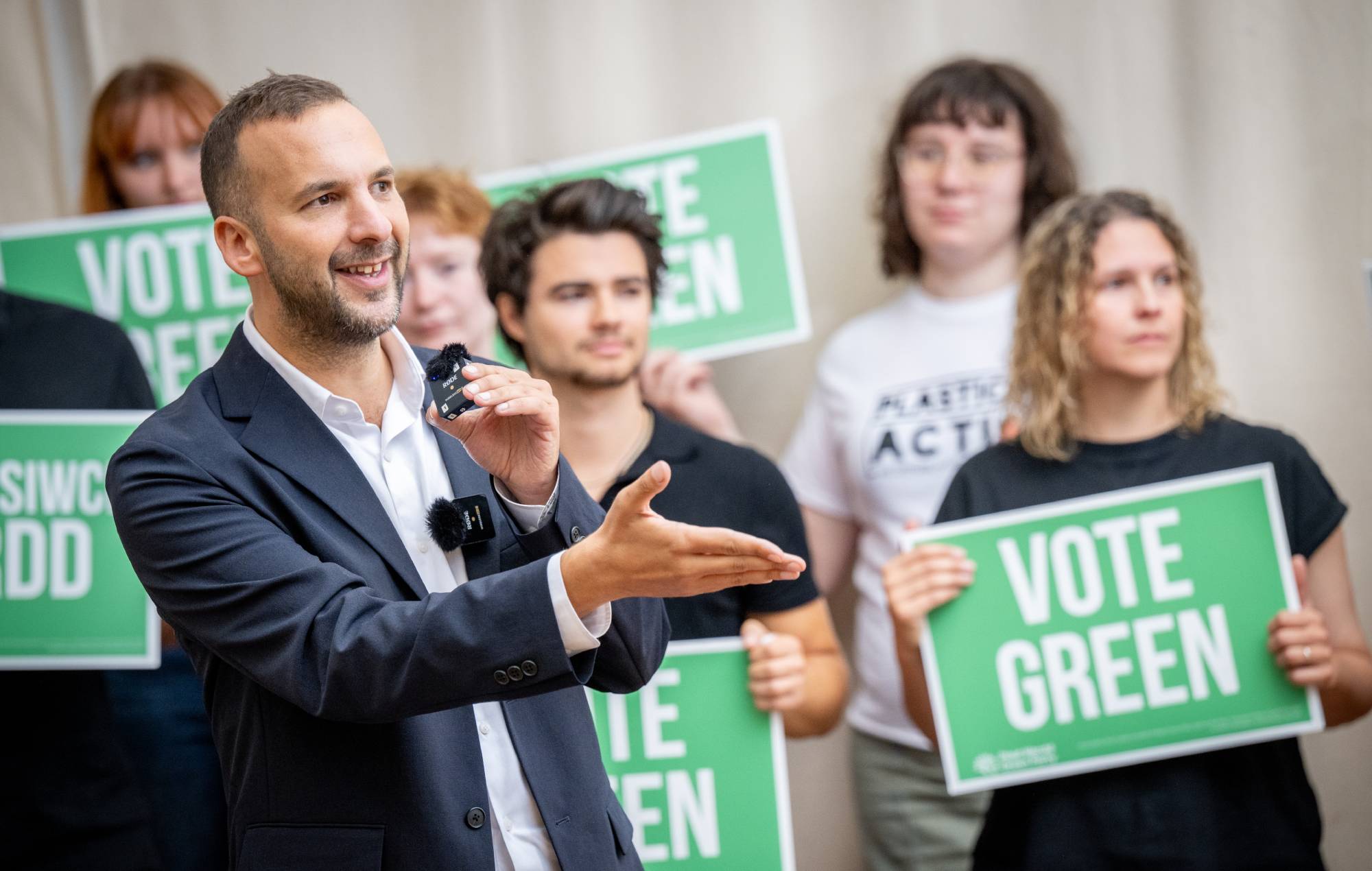
Check out the rest of our interview with Polanski below, where he also opened up about speaking to young people, convincing voters to join his movement, how to improve UK culture, and if the numbers really do add up around what he’s offering.
NME: Hello Zack Polanski. Your message really seemed to strike a chord with people in 2025, particularly younger voters. What are you saying that other parties aren’t?
Zack Polanski: “It’s the focus on inequality. People are exhausted. Their wages haven’t gone up but food prices have, successive parties of government (both Labour and Conservative) have offered different solutions but actually it’s been more of the same.
“An interesting thing I hear is that even when people disagree with me, they’re still interested and say, ‘I might join the Green Party’. You don’t need to agree with someone on everything, but you do just need to agree with the general vision and principles. The principles are that we need to tackle inequality and tax multimillionaires and billionaires and stop corporations from destroying our environment and our communities.”
How would you say the Greens are offering something different for UK culture? How in touch are you?
“On a personal level, it’s hugely important to me. I was a theatre actor before I was a politician, and so my heart lies particularly with grassroots art. That’s the first place I’d start: to ensure we’re subsidising and supporting it. It’s an amazing leveller; particularly in working class communities. People from marginalised communities making art is a fundamental way to tell your story.
“There’s a huge problem where if the story you’re telling isn’t the establishment status quo story, then you don’t get funding. We need to look at a different model where challenges to the establishment are able to be supported.”
Venues and artists continue to struggle for survival. Do you support the levy to fund grassroots music with money from arena and stadium gigs?
“At one point it was dubbed ‘the Beyoncé tax’. I’m very interested in that. Sidenote: I love Beyoncé, but still we need to be using that money to subsidise artists. There are much more practical things too like a lack of rehearsal space, a lack of meeting spaces. We know that we have so many dead spaces on high streets that are boarded up or graffitied over. That’s really bad for the local communities in giving a really bad sense of deprivation, but those spaces are also where culture and art could be happening. Business rates are also really doing a lot of small businesses over, particularly pubs, clubs and venues.”
The glass ceiling is getting lower and culture is often seen as becoming a playground for exclusively the upper classes. How would you tackle that?
“Undoubtedly, it’s becoming a playground for the upper classes. If we want great working class stories that are subversive against the establishment then we need to make sure we’re supporting the creativity of those people to be able to hone their skills, to have confidence in their skills, and just the mental and physical space to be able to write, create, play and compose whatever artform they’re using.
“The lack of funding and support means that the gap is getting wider and wider. It’s not working on every level. If we want a system that works, then it does require funding, it requires subsidies, and it particularly requires time and attention. If someone is particularly worried about just getting food on the table, we need things like rent control to create some space in the chaos of life so they’re not just struggling to survive but they can thrive. A key part of that thriving is arts and culture.”
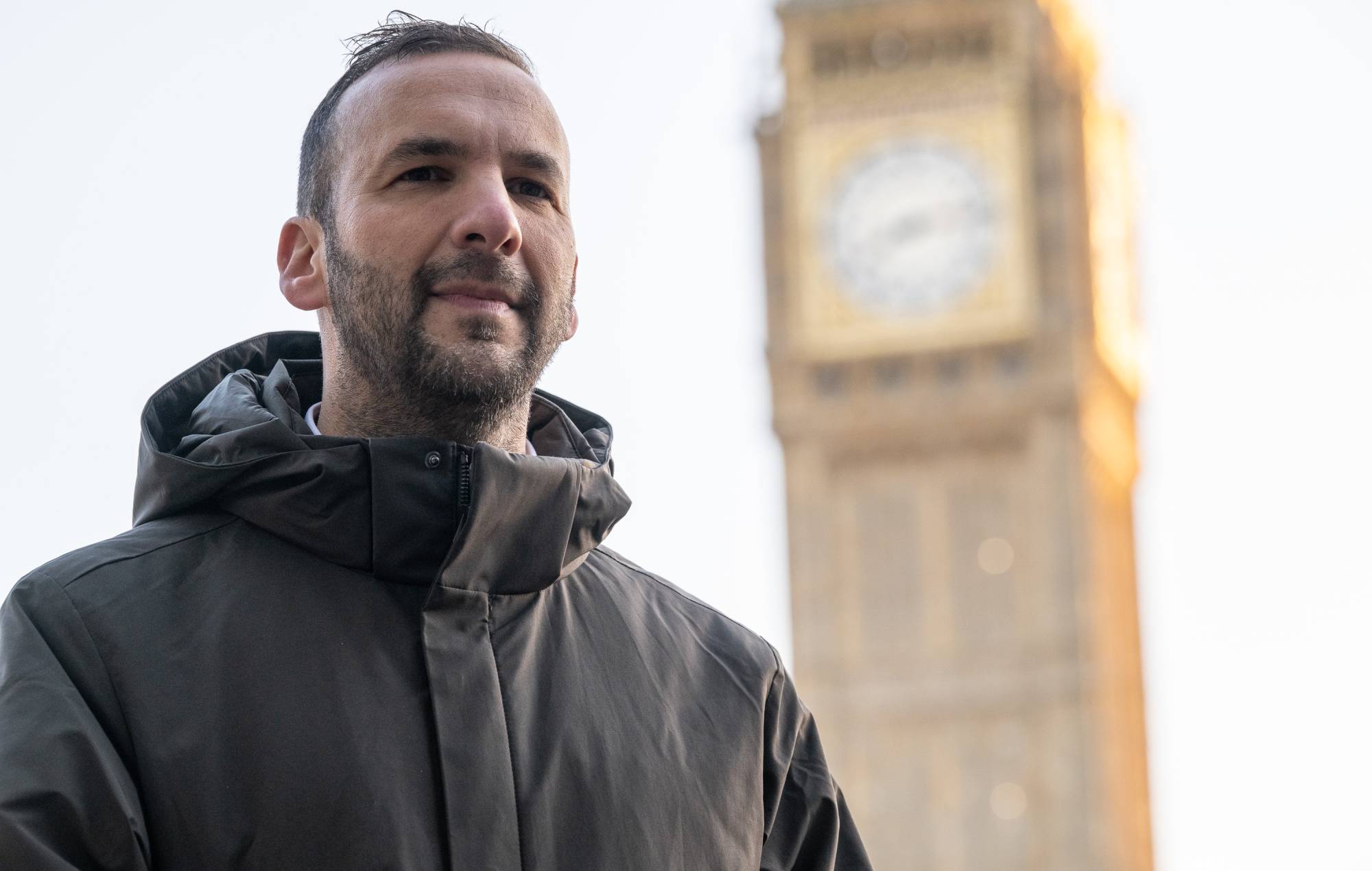
How do you provide for everyone to thrive?
“A key policy of the Green Party is a universal basic income. This is an unconditional amount that each citizen gets per month that pays for things like rent, food, basic transport and a safety net. Rather than having a welfare system where people are in work and having to claim welfare, we instead recognise that the system isn’t working. No one should be worse off than they are in the current system so you’ve got to protect, for instance, people with disabilities. It requires a safety net via a universal basic income, and that would allow artists to thrive and recognise that it’s something that everyone should have the space and chance to do so.”
In Ireland they have a basic incoming scheme for artists. Would you do anything catered towards culture or would it just be something more universal?
“I’d want to see it become universal eventually. I think there’s a strong argument for starting with culture. In Wales, they’ve started with people caring for people. I would lobby the government to show that there are various sectors you could do this for: geographically, and a group like artists.
“There’s something quite fundamental here about the story of who we are, and who we are as a country. We’ve seen the nastier side of this through the conversation around patriotism and flags. I would criticise much of that discourse, but I do think there’s something in that conversation. If governments are not telling stories of who we are, then that allows charlatans like Nigel Farage and Tommy Robinson to step in and take the reigns. Particularly when it comes to colonialism and empire, people whose ancestry is most affected should get the space and time to tell their stories as a reckoning of where we are, but a reconciliation of what the future looks like.”
What would the Green Party do to tackle the impact of Brexit on touring artists?
“Brexit has been a catastrophe: economically, socially, culturally and around the arts. It made absolutely no sense in the first place. Even with people who voted for Brexit, polling shows again and again that they know regret that decision or that they can’t see a single real benefit. For the right, who wanted to see lower immigration, this has actually resulted in higher immigration just from non-EU countries. I don’t see a single measure where Brexit has worked out for people.”
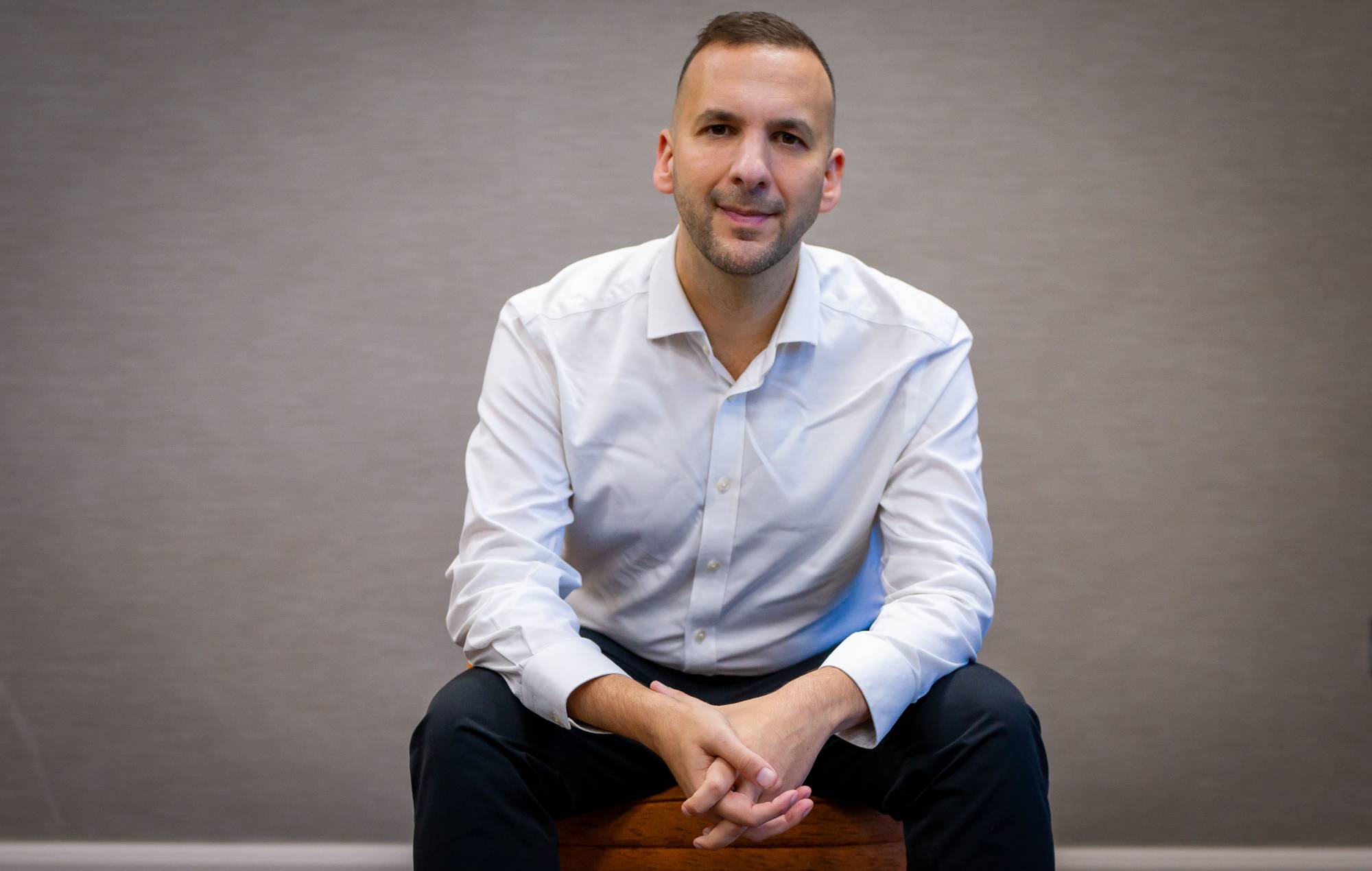
“In terms of what we need to do about it, I’d like to see us rejoin a customs union in the near-term and rejoin the European Union in the longer term. I don’t think the EU is perfect, but that’s why I want to be part of it: to help change and shape it, rather than being outside of it and criticising it. We see the far right across Europe gain momentum, and I think we need to be in those conversations to find that left wing or socialist solidarity. Artists and creatives are a way to bring that together.”
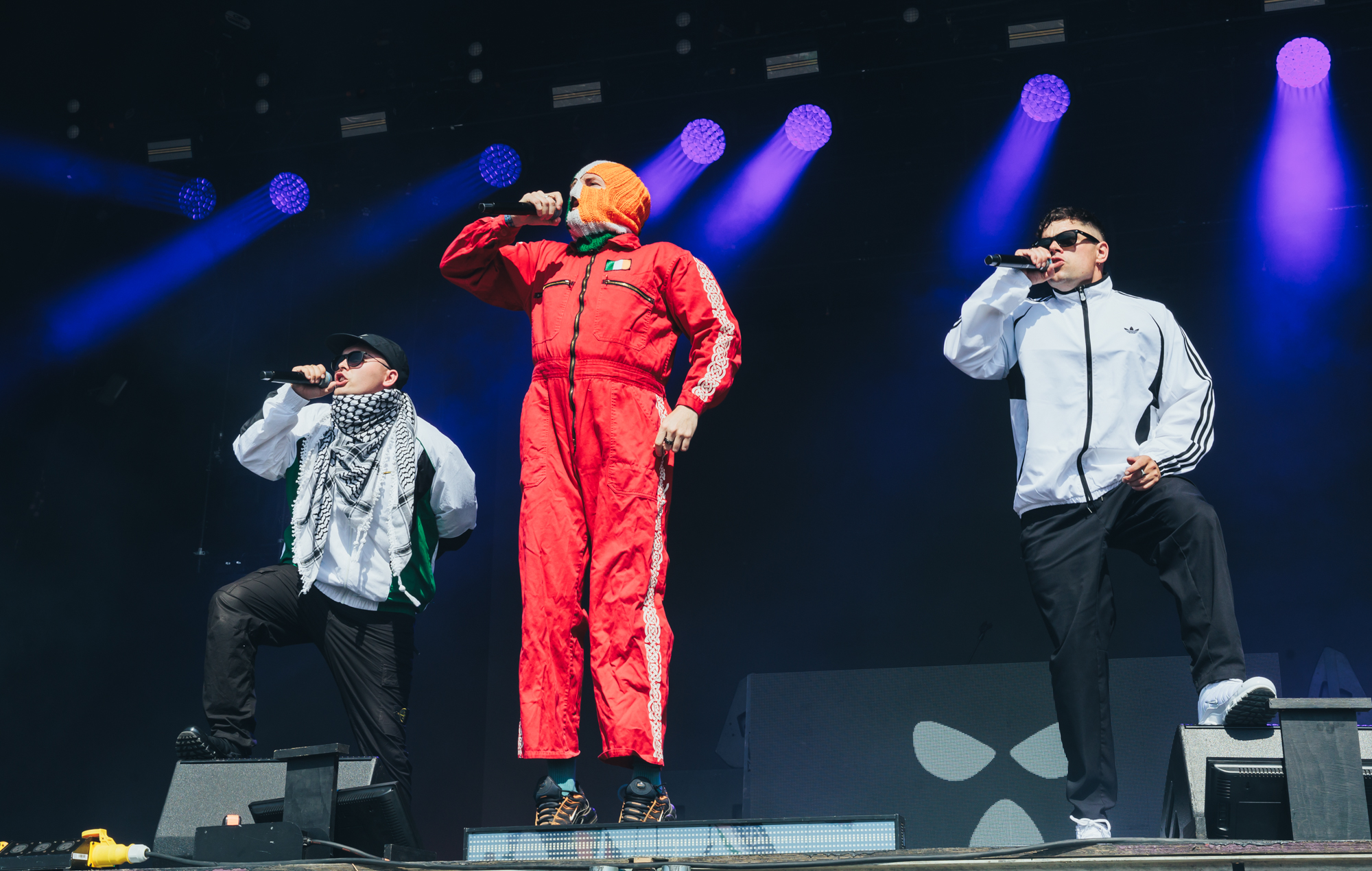
There’s an ongoing debate around freedom of expression in the arts. What did you think of Keir Starmer calling for Kneecap to be dropped from Glastonbury last year?
“It’s not his place to say. It’s always the same maxim: don’t be a dick. Free speech comes with responsibility and I’m sure sometimes people will be offended. When it’s hate speech and harassment, there’s a very clear line there. The Glastonbury example just felt outrageous; Kneecap were speaking out against the genocide. Lots of people in polling agree with that position. The idea of censoring them at Glastonbury or not streaming them on iPlayer because people might be offended by them speaking the truth about foreign policy just felt like a real step down for the discourse.
“Glastonbury is also inherently political and has always been. You see supposedly progressive MPs turn up at Glastonbury and then complain that it’s got too political? That just shows the hypocrisy and shamelessness on which they are willing to hijack artists’ political expression for their own means when it’s convenient to them, but the moment that it challenges them or their worldview, it shows that they were never political at all but just happily defending the status quo.”
You’re a proud Jewish man who has been very critical of Israel. How would you look to create a more open dialogue across the spectrum?
“In the day to day, it’s about making sure the conversation you have is backed with facts, science and research. That doesn’t mean you shouldn’t be emotive as storytelling should always be from the heart, but it’s about turning the anger into hope. Someone like Nigel Farage fuels the anger and fuels the despair. When people know that you connect with why people are angry right now, that’s the way to move things to hope and practical solutions. Unless you connect with the anger, then you just miss people.”
Tell us about your own cultural upbringing. You grew up in Manchester, came out when you were 14. What was your life like back then?
“Just shortly after that, I was working in gay clubs. I was standing out in the street outside G-A-Y in London handing out flyers, then I worked at a bashment and hip-hop clubnight at Scala for for LGBTQ people. I got to see a lot of the world and meet a lot of people.
“I was really bullied in school, and then the moment I came out my world changed. It was the same time as Russell T Davies’ Queer As Folk. I can’t thank that man enough for writing that series. Suddenly being LGBT or gay specifically was a really exciting thing to be in school. It’s amazing what a moment that was institutionally in the way that we tell stories. It really gave a lens into people’s lives and made me as a 14-year-old gay person suddenly feel like there was hope and to suddenly see myself being represented on TV. I don’t think there’s any measure for how amazing that felt.
“Then I look at things like Heartstopper. I was lucky enough to meet Joe Locke recently, just to say to him what a difference that would have made to me as a young person. That’s not a criticism to Queer As Folk, but it was very of its time and focussed on drugs, HIV and things that definitely do exist in the gay community. What’s been amazing about Heartstopper is just its focus on joy, community and love. What a difference that must make to LGBT people and people who are just different, even People Of Colour or those from marginalised communities: to go, ‘I feel othered, but I can see that there is hope here and a way for people to look after each other’.”
Young people have been repeatedly let down and left disillusioned by promises politics in the past 25 years. How are you going to spend the next few years convincing people and demonstrating to the public that your vision is workable?
“It’s growing a movement and recognising that no party is any one person. It’s all of those people in communities doing the work; whether that’s on the university campus, in the workers’ movement, on the shop floor, in the youth club. It’s about recognising that hope is here and it’s all of us. It’s when people get together that they can make amazing things happen.
“I’m not looking at all to convince young people that I have every single answer, or indeed that I have any answers, but what I do have it a set of values and principles. If people resonate with those principles, what role can they play in the movement so we can all do this together? Much more practically, in terms of winning, there are the local elections coming up in May when people recognise that if they put their cross in the green box then that actually results in an elected councillor winning. The more that happens, the more people recognise that there is an alternative to the old broken party system.”
But how are you going to reveal and prove that your economic plan works and the numbers add up?
“Well there are examples around the world where we’ve had green governments and green movements that have had progress and seen things happen, but I would put it the other way around. We know how broken the current system is, in terms of the climate crisis and the wildfires and floods we’re going to face along with increasing challenges, but also the failed economic model where we’ve had decades of politicians supposedly from different parties claiming that we need wealth creators and trickle-down economics. Then look at how badly that’s resulted in homeless in our streets, children in poverty, young people struggling to maintain a job or have any real sense of future…
“In terms of proving that things can be different, it’s about making sure that we’re creating the changes we can and as quickly as possible, to make sure that we’re supporting people on a day-to-day basis just to survive, then it’s about the bigger changes and how we thrive.
“Very often it’s about just getting through the next day, but actually what does it look like when we have conversations about spending time with our loved ones, being able to create art and music, being able to travel on public transport where it’s accessible, cheap and comfortable, rather than being stuck behind the wheel of a car to go to a job that you didn’t want to have because your boss hates you and you’re not earning enough money? We can reject that kind of system and recognise that it’s broken, and start to build something new, fresh and exciting.”
To young people reaching voting age now or those entering the working world by the time of the next election, how would you realistically imagine life for them under the Greens?
“A living wage for all, rent controls in places where the cost of housing is through the roof, affordable and accessible education, feeling confident that the planet is safe and secure for their future and that nature can once again thrive and living in communities where they are accepted for who they are – not judged by their background or beliefs.”
There’s a fear that an increase of Green votes might not be enough to land you at 10 Downing Street, but remove votes from Labour that put Reform in power. How would you respond to that?
“As long as Labour continues to make the wrong decisions for the elderly, the disabled and families living in poverty, we will seek to replace Labour and take the fight to Reform. Labour’s policies far too often benefit the powerful and the rich rather than people who are struggling. They’ve been active enablers through the selling of arms to a genocide in Gaza and barely a week goes by without them trying to out-Reform Reform with racist anti-migrant rhetoric.”
There is the likelihood of a Labour-Green coalition. Young people were let down before via a similar situation with Lib Dems and the Tories. How far you can assure people that if that happens, your core principles won’t be diluted through compromise?
“I wouldn’t go into coalition with Keir Starmer’s Labour party. It is Green Party members who decide our policies, hold our leadership accountable and decide to what extent we do or don’t work with other parties. This is genuine grassroots democracy and that’s not up for compromise.”
To those who have lived through Cleggmania and Corbyn’s 2016 run, what would you like to say about turning hope into something real? How will you maintain momentum and win over ordinary working people in the coming years?
“People are feeling angry because they’ve been badly let down by successive governments. But whereas Nigel Farage seeks to fuel that anger, we know we are turning it to hope with tangible solutions to change people’s lives for the better. We’ll be going door to door in communities right across the country and having conversations with people about why we can all dare to create something better.”
The Green Party will be hosting a fundraiser rave at Heaven in London on Sunday January 25, with DJ sets, live performances and talks from the likes of Lobsta B, mixtress, Bradley Skeng, CICELY, DJ Love and party leader Zack Polanski. Visit here for tickets and information.
The Green Party were the first political party in England and Wales to describe Israel’s conduct as what an independent United Nations inquiry later found to be a genocide in Gaza. Israel has repeatedly rejected accusations of waging genocide, and denies committing any war crimes, maintaining that its operations are lawful acts of self-defence following Hamas’ attack on Israeli citizens at the Nova Music Festival on October 7 2023, which killed over 1,100 people and saw 250 taken as hostages.