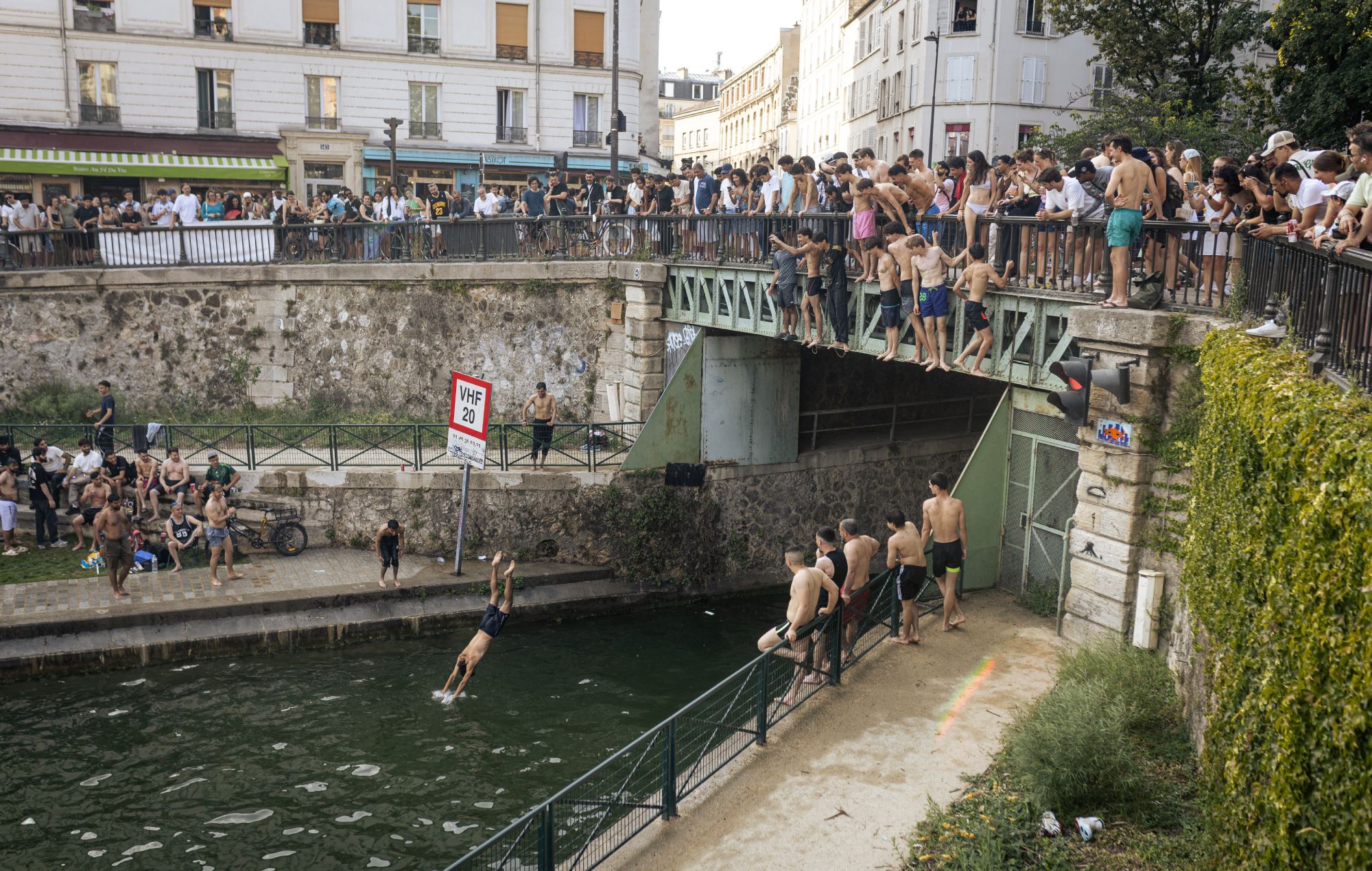
Hundreds of thousands of music fans endured significant disruption this past weekend as a series of extreme weather events swept across Europe, leaving major festivals and outdoor gigs in a state of crisis. From record-breaking heatwaves to violent storms, the impact on the live music industry has been profound, forcing organizers to confront the harsh reality of a changing climate.
On Friday, June 26, the 50,000-capacity dance music event Defqon.1 in The Netherlands was forced to cancel following a “code red” warning issued by authorities due to extreme heat. Organizers at Q-Dance expressed their heartbreak, noting that the decision to evacuate thousands of campers was the “worst-case scenario” for an event that had been months in the making.
The Growing Threat of Climate Extremes
The continent-wide heatdome, which also brought record temperatures to the UK, impacted numerous other events, including Garorock in France and Paradise City in Belgium. Holger Schmidt, General Secretary of the European Festivals Association (YOUROPE), remarked on the unprecedented nature of the situation: “I cannot recall a heatwave of such a widespread scale, particularly one accompanied by the highest temperatures ever recorded.”
Beyond the heat, severe storms also wreaked havoc. In Belgium, a headline performance by Katy Perry at Werchter Boutique was canceled due to dangerous weather. Similarly, The B-52’s experienced a “total disaster” at the C Trop Music Festival in France, where stage scaffolding collapsed and destroyed essential equipment, forcing an emergency evacuation.
Adapting to a New Normal
The disruption extended to artists including Tom Odell, Kaytranada, and Anderson .Paak, as organizers struggled to balance safety with the logistics of large-scale events. John Rostron, CEO of the Association of Independent Festivals (UK), emphasized that the industry must now treat these weather extremes as the “new normal.”
“The ultimate challenge is that you plan and budget a festival a year before,” Rostron told NME. “This is a new thing we have to learn from and plan for in the future because it’s here to stay.” As the climate continues to shift, the festival circuit faces a critical period of adaptation to ensure the safety of fans and the sustainability of the live music experience.