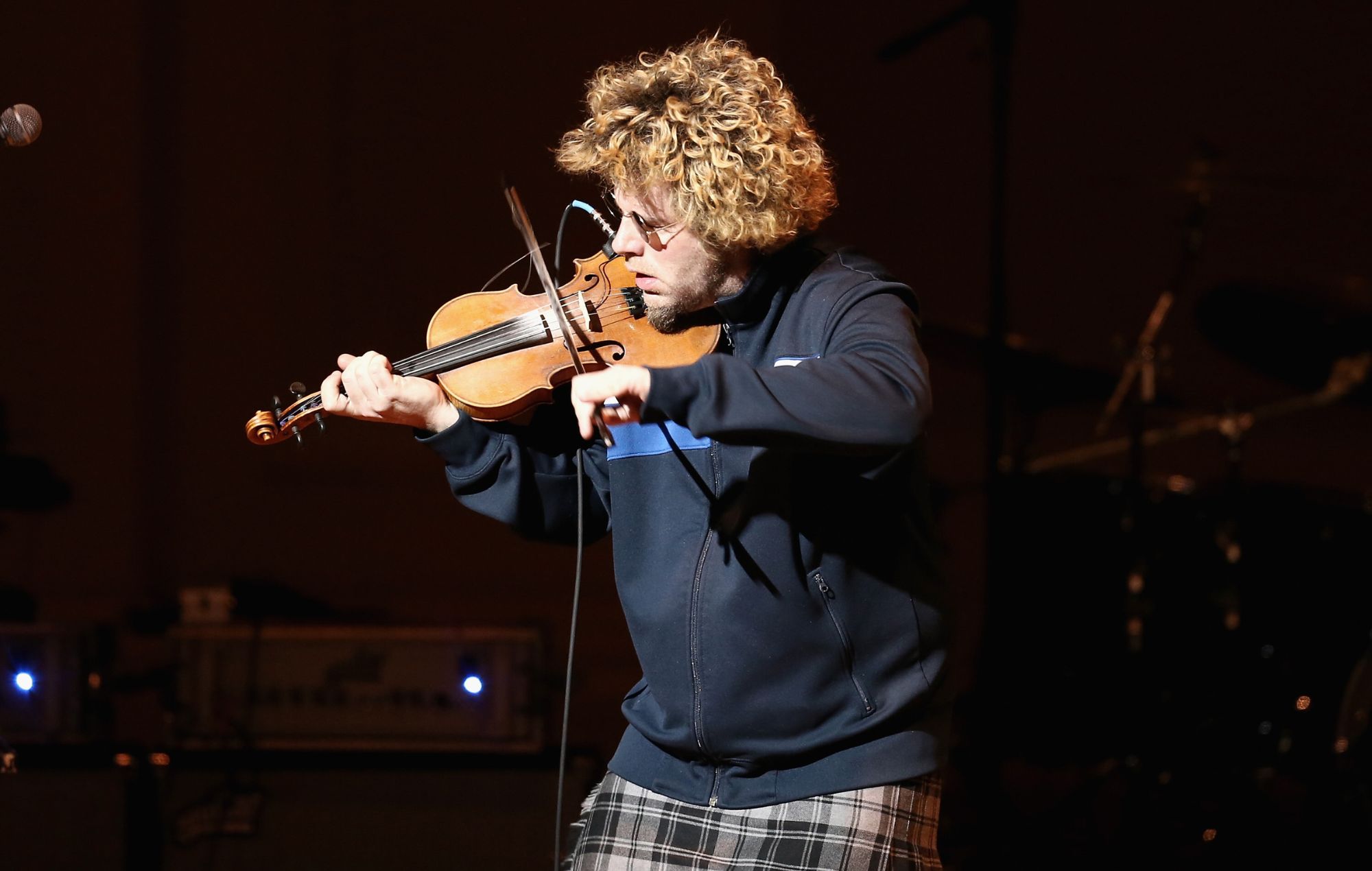
A prominent Canadian fiddle player is seeking $1.5 million in damages from Google, alleging that the tech giant’s AI Overview feature disseminated defamatory and false information about his criminal record. Ashley MacIsaac, an acclaimed musician, filed the lawsuit in the Ontario Superior Court of Justice, asserting that Google is liable for the harmful output generated by its automated search tool.
The lawsuit claims that the AI-generated summary incorrectly stated that MacIsaac had been convicted of several serious crimes, including the sexual assault of a woman, luring a child online for sexual assault, and assault causing bodily harm. Furthermore, the feature falsely alleged that the musician was listed on the national sex offender registry.
The Impact on a Professional Career
The consequences of these false claims were immediate and damaging. According to the court filing, the Sipekne’katik First Nation cancelled a concert featuring MacIsaac scheduled for December 19, 2025, citing public complaints fueled by the misinformation presented in Google’s AI Overview. While the First Nation has since issued an apology to the musician, acknowledging that the cancellation was based on incorrect AI-generated data, the reputational damage remains a central point of the litigation.
MacIsaac is pursuing $500,000 in general damages, $500,000 in aggravated damages, and $500,000 in punitive damages. The lawsuit argues that Google, as the creator and operator of the AI system, bears responsibility for the "defective design" of the feature. The filing states: "Google knew, or ought to have known, that the AI overview was imperfect and could return information that was untrue."
Holding Tech Giants Accountable
The legal challenge highlights a growing concern regarding the accountability of search engines when their AI tools produce harmful, defamatory content. MacIsaac’s legal team contends that Google should not be shielded from liability simply because the statements were generated by software rather than a human spokesperson. The filing notes that the company’s "cavalier and indifferent response" to the incident further justifies the request for punitive damages.
Speaking on the personal toll of the error, MacIsaac expressed that he has "feared for my own safety going on stage" due to the nature of the false labels. He emphasized the necessity of resolving the matter in court to clear his name and draw attention to the risks posed by unchecked AI-assisted search results.
Google has not yet provided a specific comment on the lawsuit. However, the company previously stated that it works to improve its AI Overviews and takes action under its policies when features misinterpret web content or lack necessary context. As of now, the AI Overview for MacIsaac has been updated to reflect the ongoing legal proceedings.