The Amsterdam Dance Event (ADE) and VibeLab have officially announced a strategic partnership to introduce the Nighttime Culture Index, a groundbreaking public measure aimed at assessing the cultural vitality of nightlife ecosystems worldwide. This initiative marks a significant shift in how cities evaluate their nocturnal economies, moving beyond simple financial metrics to focus on the holistic health of cultural environments.
The inaugural edition of the index is scheduled to launch during ADE Pro in October 2026, a milestone that coincides with the 30th anniversary of the Amsterdam Dance Event. Rather than focusing solely on economic impact, the project will provide a comprehensive overview of cultural conditions through an interactive public dashboard and an annual report.
Assessing Global Nightlife Vitality
The first phase of the project will focus on six major cities across six continents: Amsterdam, Lagos, New York, São Paulo, Seoul, and Sydney. These cities will serve as the inaugural cohort for the index, providing a diverse look at how different urban centers foster nighttime culture.
Each city will be evaluated across six core pillars: Diversity and Representation, Creative Ecology, Space and Infrastructure, Community and Belonging, Policy and Civic Health, and Sustainability and Environment. This multifaceted approach ensures that the index captures the nuances of what makes a city's nightlife vibrant and sustainable for both residents and creators.
A Long-Term Commitment to Nighttime Culture
VibeLab will take the lead as the research producer, while ADE will serve as the founding partner and co-publisher. The collaboration is structured as a three-year partnership, with plans to expand the index to include at least two additional cities in both 2027 and 2028.
To ensure the data is grounded in real-world experience, a community survey is currently open for individuals who live or work within the cultural sectors of the six participating cities. This feedback will be instrumental in shaping the findings of the inaugural report. Interested participants can contribute to the research by completing the survey.
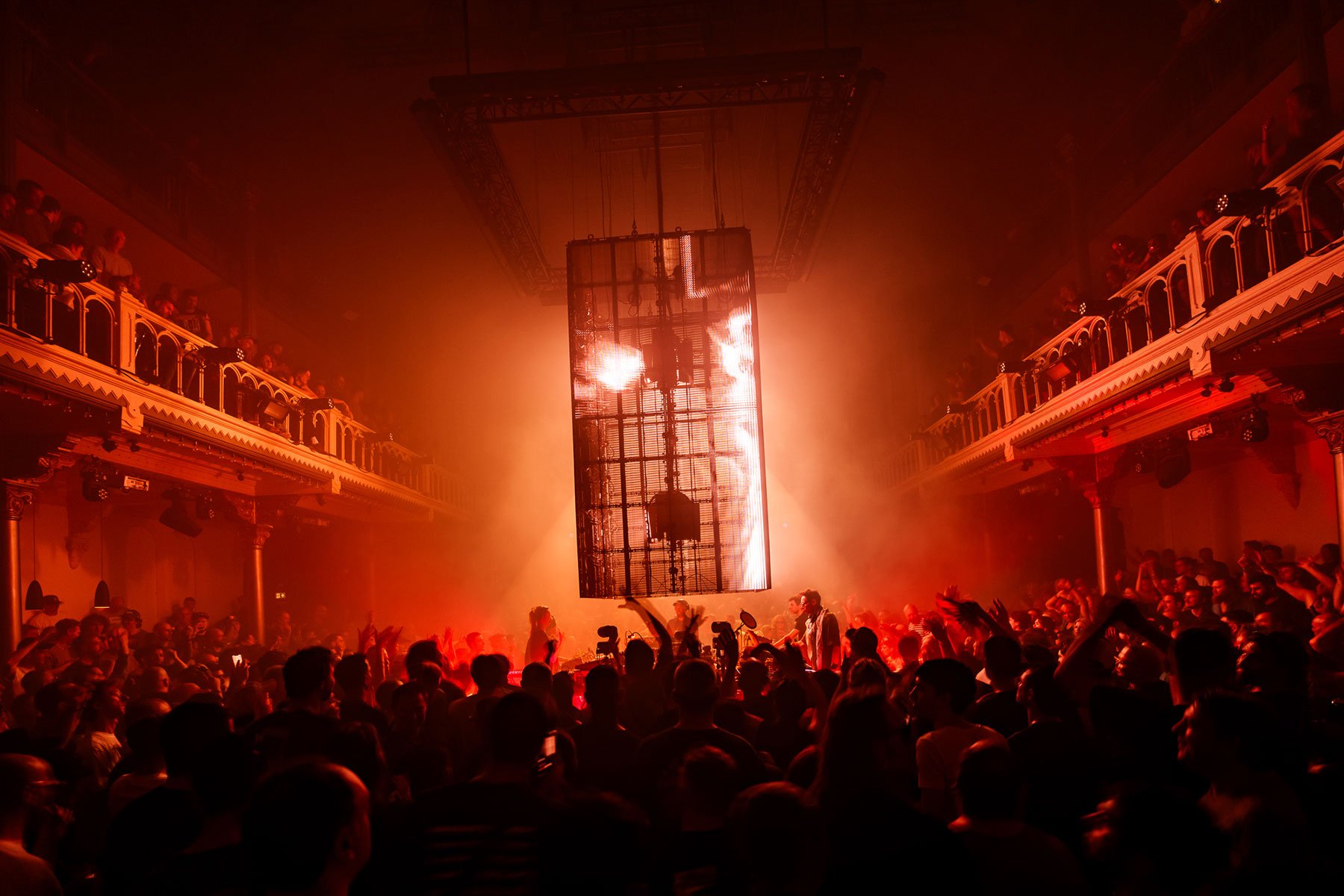
Photo credit: Jasper ten Tusscher