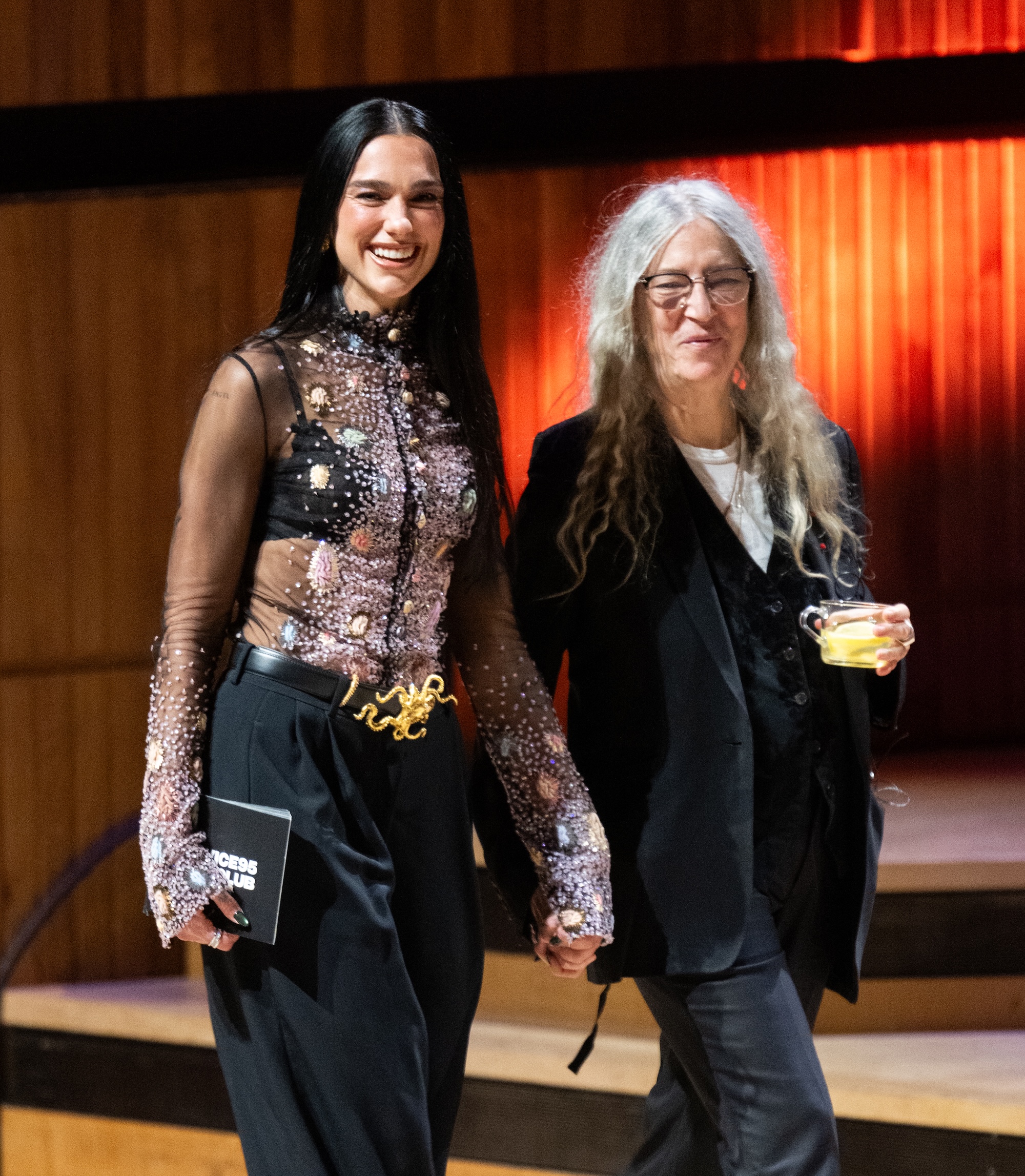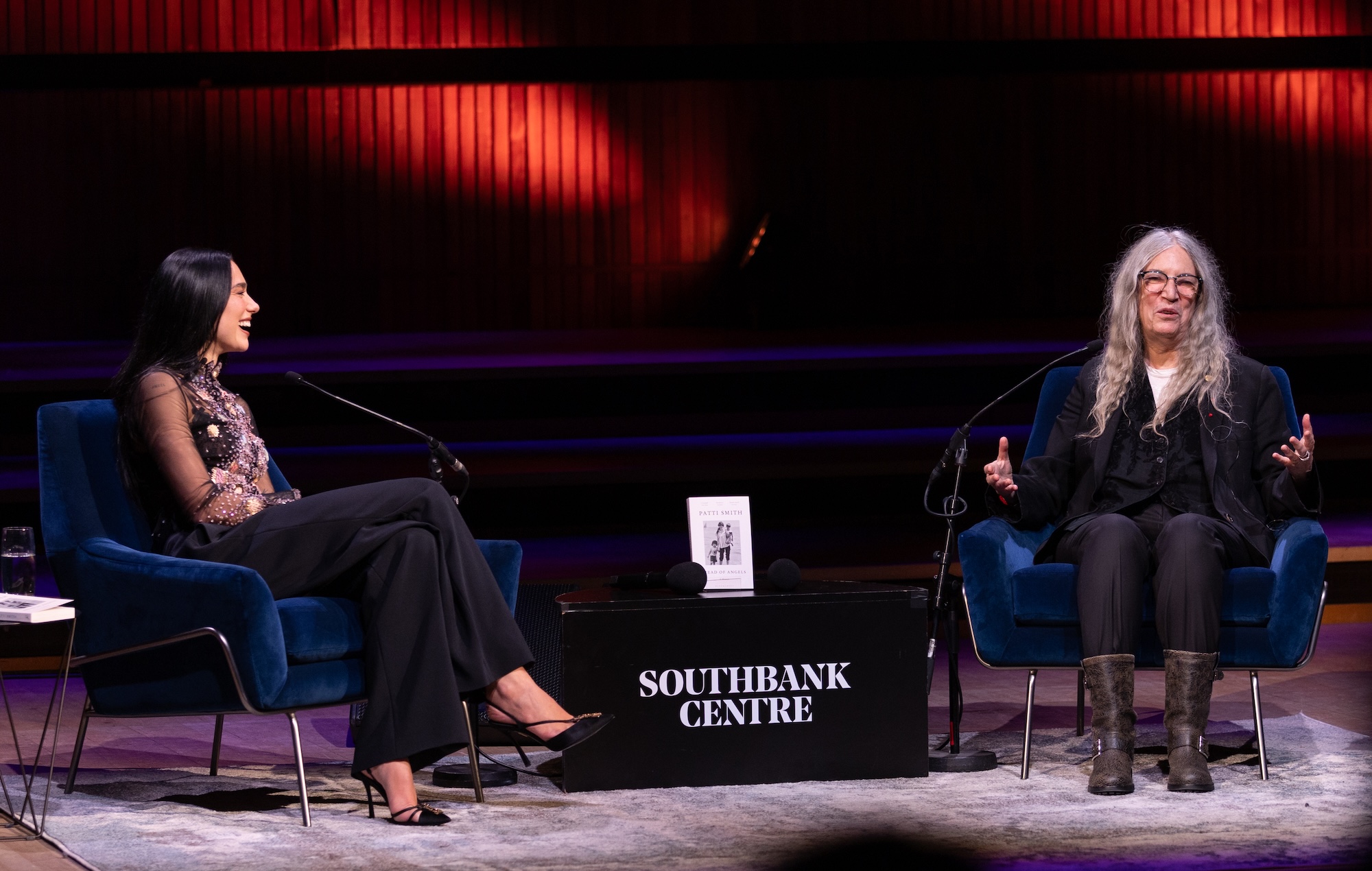
Legendary punk poet Patti Smith joined Dua Lipa at the London Literature Festival at the Royal Festival Hall last night for a poignant discussion regarding Smith’s latest memoir, Bread Of Angels. The event, which highlighted the intersection of music and literature, offered fans a rare glimpse into the creative process behind Smith's latest work.
A New Chapter of Gratitude
Published last year, Bread Of Angels serves as a thematic successor to Smith’s acclaimed non-fiction works such as Just Kids and M Train. While her previous writing often focused on specific relationships or periods of her life, this memoir takes a broader approach. Smith explained that the book is structured around four different dresses given to her by significant figures in her life, including her late husband Fred Sonic Smith, her brother Todd, and the iconic photographer Robert Mapplethorpe.
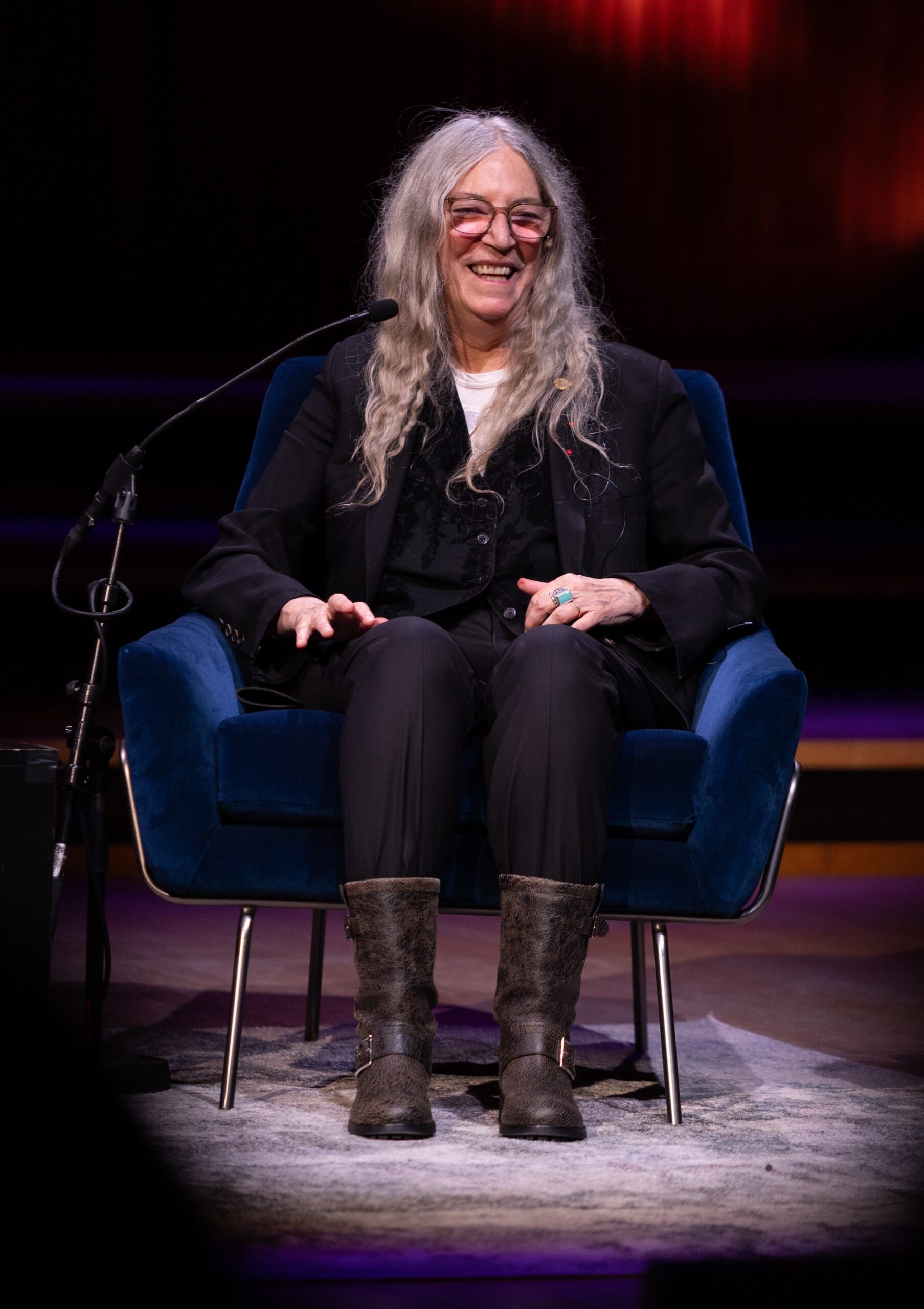
“It gave me a chance to show some gratitude to all the people that helped form me, and who I rebelled against too,” Smith shared during the conversation. “Even though it’s my own story, it shows that we are also a product of all the wisdom and all the experience that we have with others.”
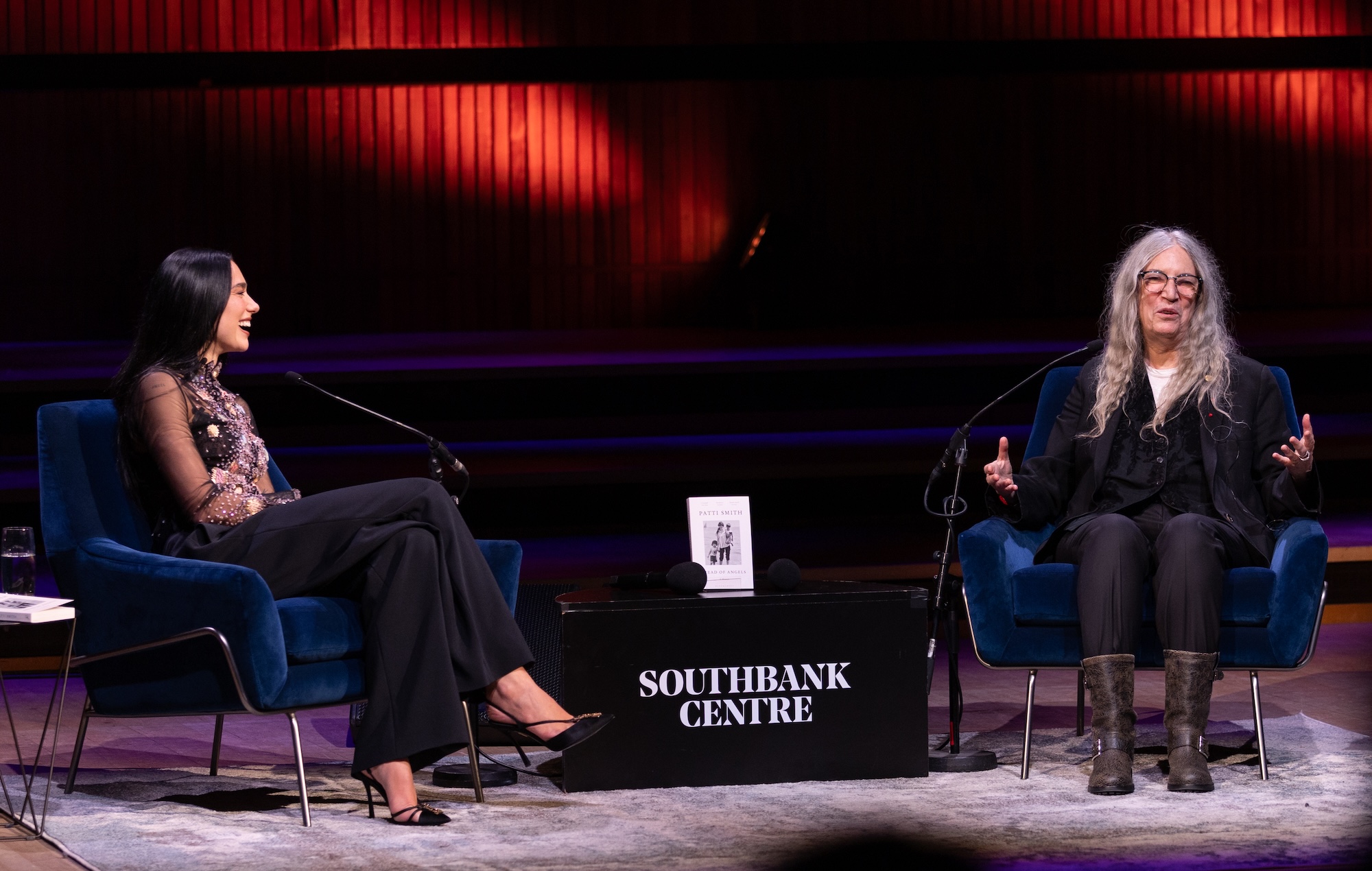
Dua Lipa and Patti Smith. Credit: Pete Woodhead
Reflecting on a Creative Life
Lipa, who curated this year’s festival through her Service95 Book Club, guided the conversation toward the emotional weight of the memoir. Smith reflected on the difference between this project and Just Kids, noting that while the latter was a promise kept to Mapplethorpe, Bread Of Angels was born from a dream. She described a vision of a white book containing the stages of her life, broken down by the dresses she wore, which compelled her to write the stories of those who shaped her.
The discussion also touched upon the title of the book. Smith initially considered naming it Dancing Barefoot, but after the title was claimed by another artist, she turned to her own prose. She found a phrase describing the small, unpremeditated acts of kindness that stay with a person—a concept she felt perfectly encapsulated the gratitude at the heart of the book.
The Evolution of Artistic Freedom
As the conversation turned to the modern music industry, both artists discussed the pressures of the digital age. Lipa noted that the current environment is significantly more fast-paced, often leaving little room for young artists to develop without constant public scrutiny. Smith agreed, emphasizing that while the fundamental need for creative freedom remains, the modern requirement to make mistakes in the public eye is a significant challenge for today’s generation.
The evening concluded with Smith offering advice to aspiring writers: treat writing like a muscle. “If you want to be a writer, then write every day,” she urged. “Even if you don’t like what you’re writing, just that act is helpful.”