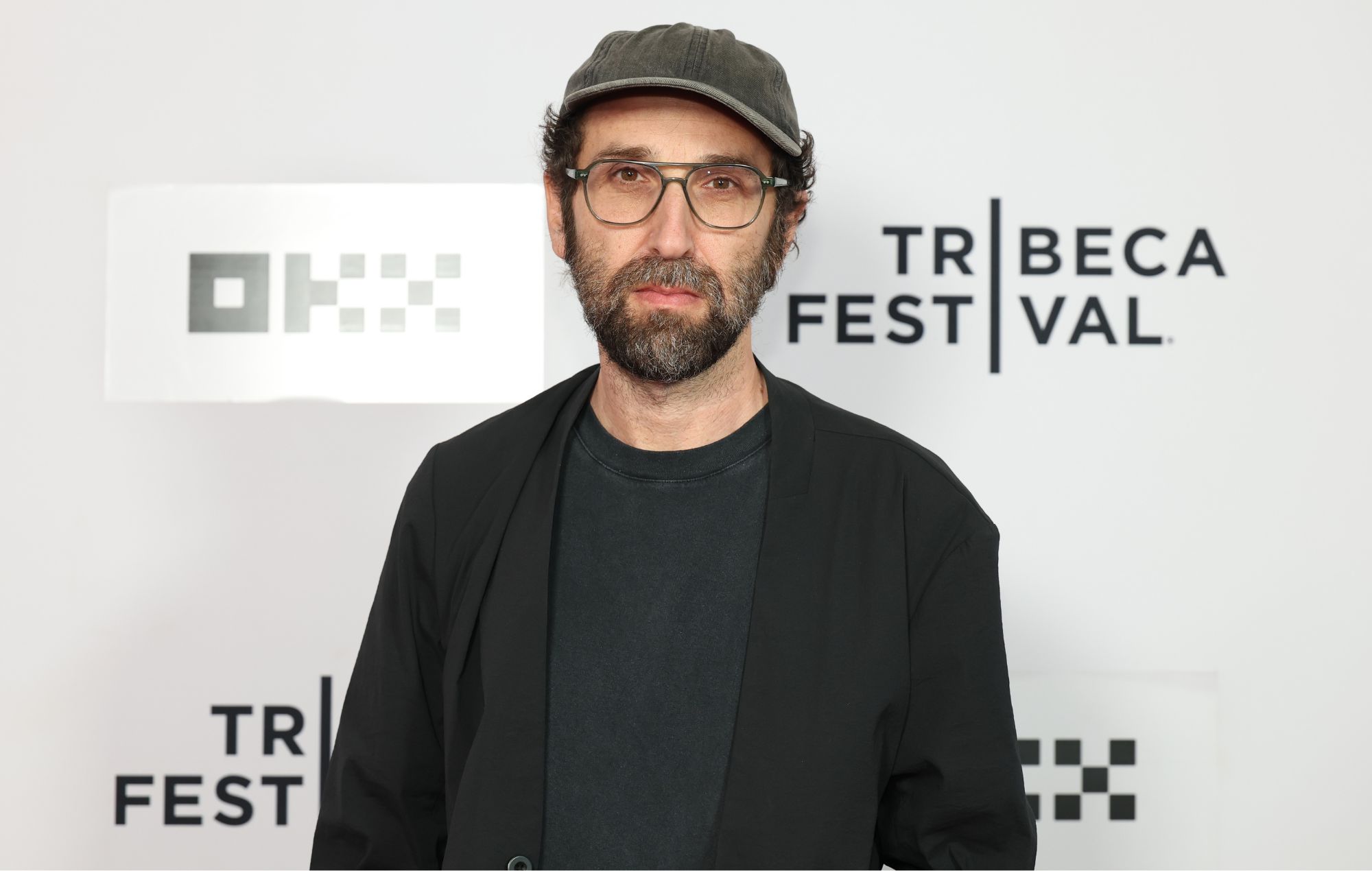
Thomas Bangalter, one half of the legendary electronic duo Daft Punk, has voiced strong opposition to the integration of artificial intelligence in music production. In a recent interview with Yana Peel, Chanel’s president of arts, culture and heritage, the musician described the use of AI as “a way to bypass the creative process,” emphasizing that the value of art lies in the journey rather than the final product.
When asked if he would consider utilizing AI technology to assist in his own compositions, Bangalter was unequivocal in his rejection. “AI really focuses right now on the results,” he explained. “It’s all about the output. My creative process is absolutely not about the output.” For the artist, the act of creation is defined by spontaneity, intuition, and instinct—elements he believes are stripped away when technology is used to shortcut the path to a finished track.
The Value of the Creative Journey
Bangalter argued that by prioritizing the end result, AI tools prevent artists from engaging in the experimentation necessary to develop a unique sound. “It is actually the creative process that I find the most interesting… Why would I want to bypass the moment that I’m passionate about?” he questioned, highlighting a fundamental philosophical divide between human artistry and algorithmic generation.
The electronic music pioneer is not alone in his concerns. The industry has seen a growing chorus of artists speaking out against the rise of AI. Figures such as Jack Antonoff have been vocal in their criticism, while SZA has expressed frustration over her own work being used to train AI models without consent. Similarly, Billy Corgan of the Smashing Pumpkins has characterized the reliance on AI for songwriting as a “deal with the devil.”
A Growing Industry Resistance
The pushback extends beyond individual artists to collective action. In 2025, a coalition of over 1,000 musicians—including Damon Albarn, Kate Bush, and Annie Lennox—released a silent album titled Is This What We Want? as a protest against the encroachment of AI in the creative sector. These efforts reflect a broader anxiety regarding the future of human-made music, especially as platforms like Deezer report that AI-generated content now accounts for more than half of their daily uploads.
Our AI-generated music policy goes into effect starting today. To protect artists and keep listeners informed, here's how we're handling AI-generated music on Tidal: https://t.co/2VuVIu66h7 pic.twitter.com/wM3s8JgQsj
— Tidal (@TIDAL) July 15, 2026
Streaming services are beginning to respond to these pressures. TIDAL has confirmed it will withhold royalties from music created entirely by artificial intelligence, and Spotify has taken steps to remove millions of “spammy” tracks. Meanwhile, legal battles are intensifying; a recent copyright infringement lawsuit saw the AI music generator Suno ordered to pay damages for the unauthorized use of licensed material.
As for Bangalter, he continues to forge his own path, having recently shifted his focus toward orchestral compositions, including his June release Mirage, which served as the score for a ballet. His stance remains a firm reminder that for many, the soul of music remains tethered to the human experience.