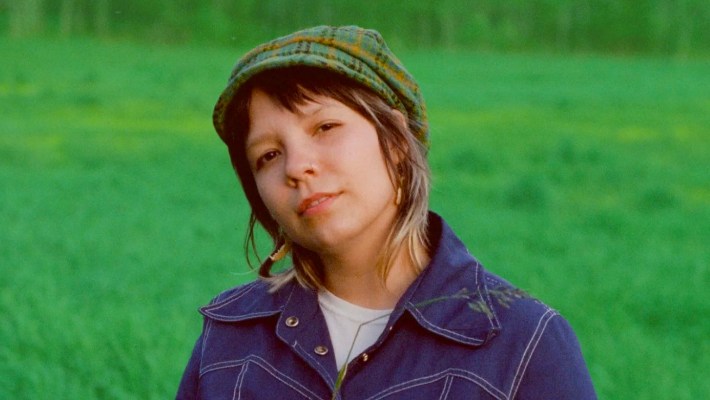
When listeners first encountered Lily Seabird’s music through her 2025 sophomore album, Trash Mountain, it was easy to categorize her within the burgeoning 2020s alt-country scene. Tracks like “Trash Mountain (1 pm)” captured the same raw, twangy indie rock energy that propelled artists like Waxahatchee and MJ Lenderman to prominence. However, Seabird’s latest project, Lightspheres On Their Way, reveals that such a label is far too narrow to capture the full scope of her artistic vision.
Expanding Beyond Americana
While the influence of Neil Young is palpable in the gritty guitar work of “Portal To The Past,” the record is defined by a sense of expansive, patient exploration. Seabird draws heavily from the droning, minimalist textures of the Velvet Underground, alongside the eclectic spirit of the Grateful Dead and Ween. Despite these influences, she remains wary of being pigeonholed into the “Americana” or “country rock” boxes.
“I don’t even think I make country rock,” Seabird explains. “I think that’s a really big stretch, but I keep getting put in that spot.” Growing up in Pennsylvania, her musical foundation was built on punk rock and the experimental ethos of Ween rather than the Southern traditions often associated with the Americana label. She suggests that her association with the genre may be a byproduct of touring with friends who lean more heavily into country instrumentation, like the pedal steel, which she notably avoids in her own arrangements.
The Art of Patient Songwriting
A defining characteristic of Lightspheres On Their Way is its deliberate pacing. Seabird intentionally crafts long, atmospheric songs that allow space for contemplation. “The atmosphere before the song, really setting the vibe and setting the tone instead of jumping straight away into it, is important,” she notes. “These are songs that deal with time and how we perceive time, so it makes sense that to be able to contemplate these themes that there is the time to do it.”
This patience is a direct response to the modern demand for instant gratification. By incorporating droning notes and repetitive structures, Seabird creates a meditative experience that mirrors the cyclical nature of grief and memory—themes that permeate her lyrics. She credits her time spent as a band member in other projects, particularly with Greg Freeman, for helping her develop a keen ear for musical texture and dynamics, ensuring that her own work functions as a cohesive band effort rather than just a singer-songwriter showcase.
The Influence of Ween
The conversation inevitably turns to her admiration for Ween, a band she cites as a major influence for their refusal to conform to industry expectations. “I think that’s something I love so much about Ween, is that none of their albums sound the same and they never did anything because somebody told them to do it,” she says. While her music doesn't mimic their sound, she acknowledges that she is channeling the “dark, heavy air” of a Ween show—a complex, sometimes unsettling atmosphere that she successfully translates into her own sonic landscape.