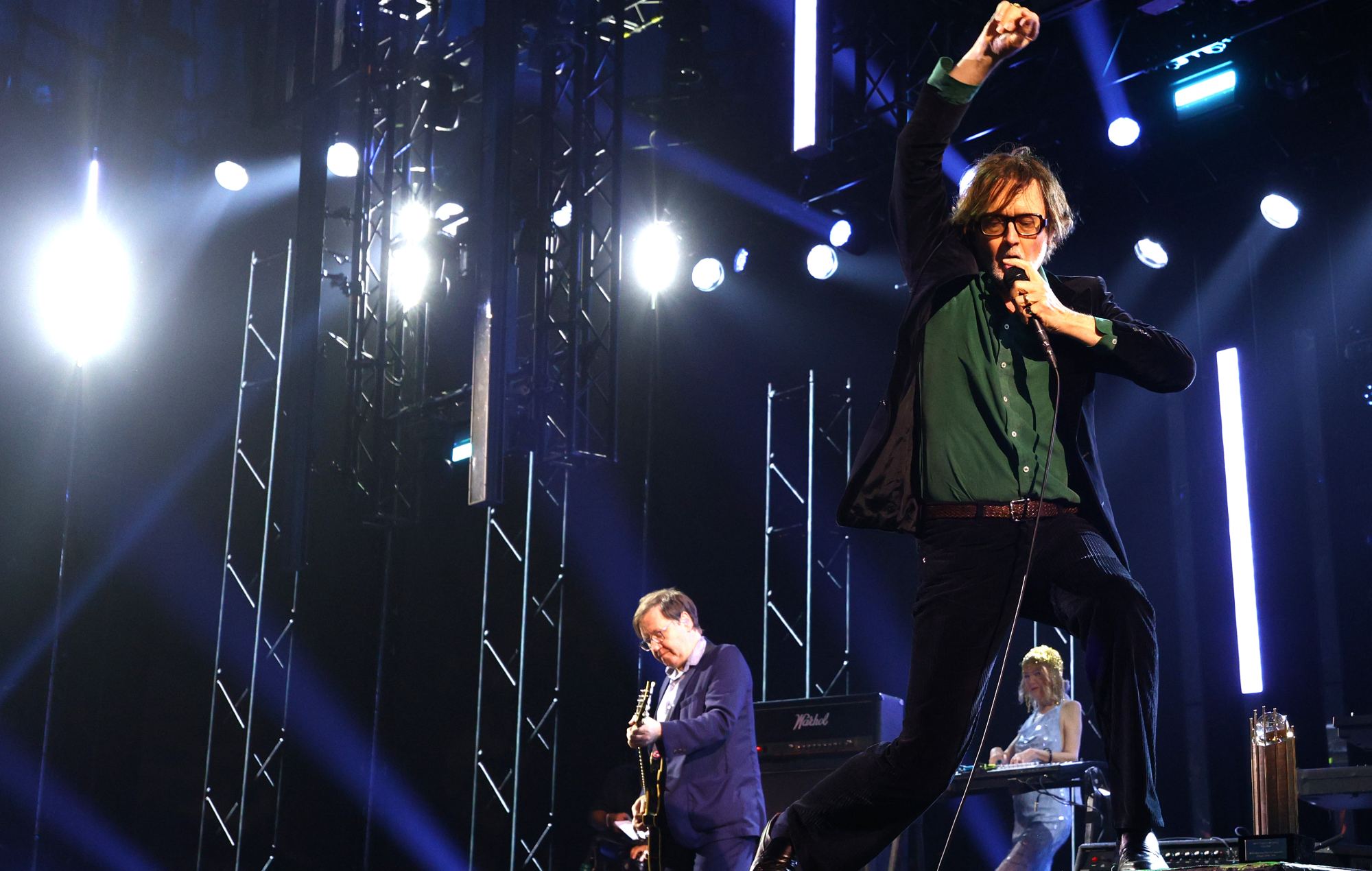
Pulp have spoken to NME about the full circle moment of celebrating War Child at the Mercury Prize, and recalled how Brian Eno nearly threw their prize money away when they won back in 1996. The indie veterans were in attendance at the ceremony in Newcastle on Thursday (October 22) to perform their track ‘Begging For Change’ to represent the shortlisted charity album ‘Help(2)’ in aid of War Child.
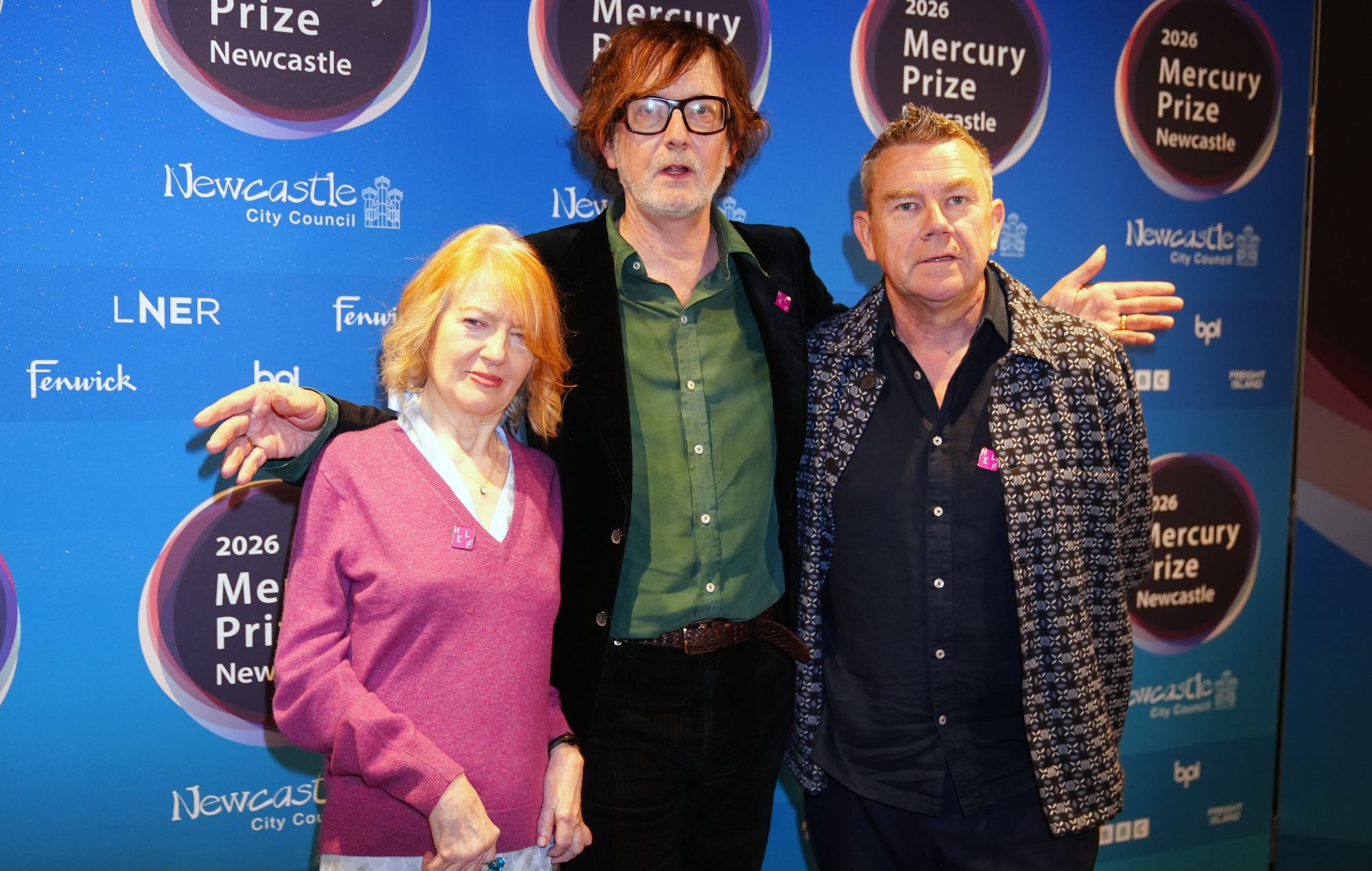
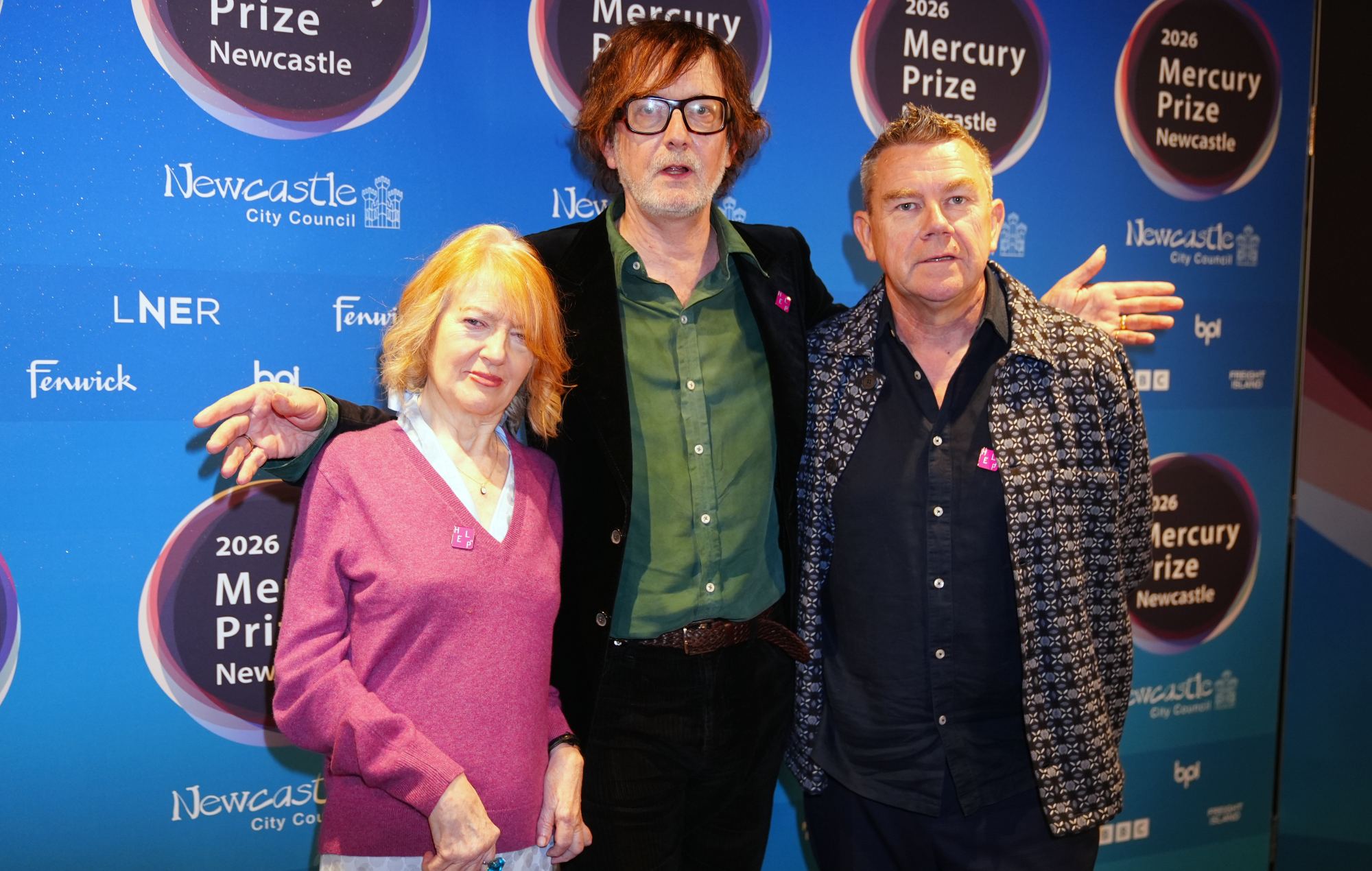
Pulp’s Candida Doyle, Jarvis Cocker and Nick Banks at the 2026 Mercury Prize (Photo by Owen Humphreys/PA Images via Getty Images)
The compilation LP serves as a follow-up to the landmark 1995 ‘Help’ record, which featured legendary contributions from artists like Oasis, Blur, and Radiohead. The 2026 edition continues this legacy with contributions from modern acts including Arctic Monkeys, Fontaines D.C., and Olivia Rodrigo. While Pulp’s comeback album ‘More’ was nominated for last year’s prize, their previous win in 1996 for ‘Different Class’ remains a defining moment for the band.
Reflecting on 1996 and the Brian Eno Connection
Recalling the night they won the Mercury Prize, Jarvis Cocker admitted his memories were hazy, while drummer Nick Banks joked about his own “stereotypical” behavior, which included spraying champagne over the crowd. However, keyboardist Candida Doyle shared a more poignant memory regarding the prize money.
“I remember we decided to give the cheque to the first War Child LP,” Doyle explained. “I had the cheque in an envelope with the award, and I gave it to Brian Eno. He just took it and thought he was just getting the award. I spoke to him later and he said, ‘I nearly threw that envelope away’. He didn’t realise I’d given him £25,000.”
The Future of the Album
When asked about the state of the modern album, Cocker expressed optimism. “Albums, I think they’re coming back,” he noted. “Vinyl sales are up, CDs are kind of scheduled to disappear, and no one buys an album digitally. I always thought that a vinyl album was where records worked best. You’ve got a side that’s only 20 minutes long, you can listen to it, go and make a cup of tea or whatever, and it’s a good thing.”
Regarding the future of Pulp, Cocker remains characteristically grounded. “I like to think of Pulp as an organic thing. Sometimes it bears fruit and sometimes it doesn’t, but I feel fairly confident that we will manage to do something else, but I don’t know when.”